
Post Apo Tycoon - Idle Builder
POWERPLAY MANAGER, s.r.o.Strategy
4.53.86K Reviews
- Version
- 1.0.54
- Installs
- 1.00M
- Age Rating
- Everyone
Screenshots

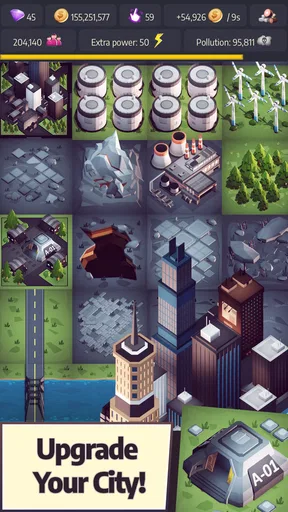
Our Review of Post Apo Tycoon - Idle Builder
 Analysis by Appyee
I tend to judge a settlement-building game by a simple question: does it give me worthwhile decisions without demanding that I sit with it for long stretches? Post Apo Tycoon - Idle Builder aims for that middle ground, mixing strategy with idle progress in a ruined-world setting. I find the appeal less in dramatic action than in watching a fragile community take shape and deciding what deserves attention next.
What to consider before you commit
This is a better fit if you enjoy gradual development, resource planning, and checking back on a project over time. It is less suited to someone looking for a tightly scripted story, fast combat, or a game that constantly asks for precise input. The central pleasure is the settlement itself: you build toward a more stable life for its survivors, rather than chasing a quick sequence of dramatic set pieces.
The basic loop is approachable, but idle design can mean that patience matters as much as planning. I would treat short visits as a natural way to play: check the settlement, make a useful choice, and leave it to develop before returning. If you want every session to deliver a major breakthrough, the measured pace may feel slow. If you like seeing a small plan pay off later, it is easier to settle into.
Who is likely to enjoy rebuilding?
I would recommend it to players who like strategy games but do not always have time for long sessions. It can suit a quick break during the day, when you want to review what your community needs and make one or two decisions without having to start a lengthy match. Its post-apocalyptic theme gives those choices a clear context: you are trying to turn scarcity and ruins into a functioning settlement.
A realistic routine might be to open the game during a coffee break, see which resources are holding back growth, and decide whether the next effort should support basic supplies or another part of the community. Later, you can check the result and adjust. That kind of small, repeated planning is where the idle format makes sense. I would not choose it for a commute where I need a complete, self-contained round, but it can work well as a game I revisit between other tasks.
The store describes the game as a rebuilding experience after catastrophe, and its strategy focus gives that premise a practical angle. Rather than making the setting only a backdrop, the settlement’s needs provide a reason to think about priorities. The tone also matters: the ruined landscape feels bleak enough to establish the setting, while visible development helps keep the experience from becoming relentlessly grim.
How the settlement loop feels in practice
Right off the bat, Post Apo Tycoon - Idle Builder throws you into a decimated world. Your mission, should you choose to accept it, is to rebuild society from the ground up. The game starts with a simple tutorial to help you grasp the basics. It’s pretty intuitive, so you’ll be up and running in no time. I found myself clicking through the ruins, assigning tasks, and gathering resources like a pro.
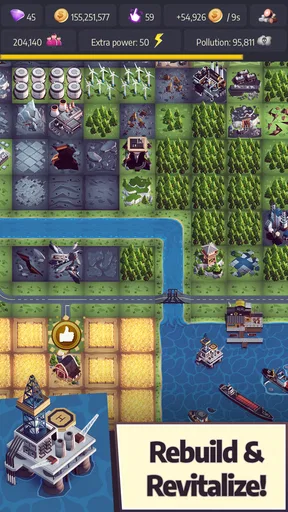
The graphics are pretty neat, with a gritty and detailed aesthetic that really captures the essence of a post-apocalyptic world. It’s not too dark or depressing, though. There’s a sense of hope and progress as you watch your little community grow.
Building Your Community
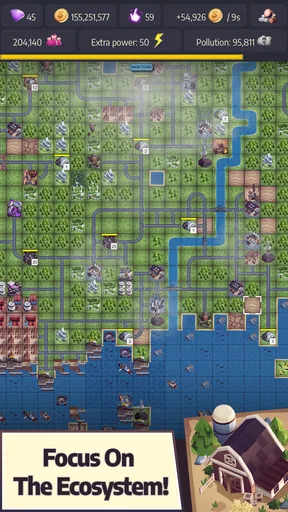
One of my favorite aspects of the game is the building mechanics. You start with a few survivors, and your goal is to expand your settlement, build new facilities, and ensure everyone’s survival. The game cleverly mixes strategy and idle mechanics, so even when you’re not actively playing, your community continues to thrive. It’s like having your own little dystopian ant farm.
I particularly enjoyed deciding which buildings to prioritize. Do you focus on food production to keep everyone fed, or do you invest in security to protect your settlement from threats? These choices add an engaging layer of strategy to the game.
Resource Management and Upgrades
Resource management is at the heart of the game. You’ll need to gather various resources like food, wood, and metal to keep your settlement growing. The game does a fantastic job of balancing resource scarcity and abundance, making it challenging but not overwhelming.
As you progress, you can upgrade your buildings, making them more efficient and productive. The upgrade system is satisfying, offering tangible benefits that make your settlement stronger and more resilient. Watching your community evolve from a ragtag group of survivors to a thriving society is incredibly rewarding.
Making progress without micromanaging everything
One useful way to approach the resource loop is to identify the bottleneck before spending effort broadly. If food is the immediate concern, improving its supply may be more valuable than investing elsewhere; if basic needs are stable, a different building or upgrade may support the next stage. I find that this makes each visit feel purposeful, even when the decision is small. It also reduces the temptation to tap through every available option without a clear goal.
There is a trade-off in that relaxed rhythm. Idle progress is convenient, but it can make a session feel less urgent than a strategy game built around timed turns or direct tactical encounters. I would avoid treating every pause as a lost opportunity. The more satisfying approach is to choose a sensible priority, let the settlement develop, and return when there is a decision worth making.
For players who prefer to plan ahead, it helps to think in terms of dependencies rather than isolated upgrades. A building that looks attractive may not solve the settlement’s current constraint, while a modest improvement to a basic resource can make later choices easier. I would check what is actually limiting progress before committing resources. This is a simple habit, but it gives the management side more depth than merely choosing whichever upgrade is most visible.
Social play and its place in the experience
What’s a post-apocalyptic world without some social interaction? The game allows you to connect with other players, trade resources, and even form alliances. I found this feature adds a nice social dimension to the game. It’s fun to see how other players are building their communities and maybe even steal a few ideas for your own settlement.
The trading system is straightforward, making it easy to exchange goods and resources with other players. It’s a great way to get what you need if you find yourself running low on certain resources.
Trading is most useful as a way to address a specific shortage, rather than as a substitute for understanding your own production. Before exchanging anything, I would work out whether the problem is a temporary gap or a longer-term imbalance. A trade can help with the first; a building choice or upgrade may be the more lasting answer to the second. That distinction gives the social layer a practical role without making it the only route to progress.
Players who enjoy comparing approaches may also appreciate seeing how others arrange their settlements. I would use those examples as inspiration, not as a blueprint: another player’s priorities may reflect a different stage of development or a different immediate need. Copying a choice without checking your own resource situation can leave you solving the wrong problem.
How it compares with other strategy games
Compared with turn-based strategy, this is less about winning a defined match through a chain of tactical moves and more about developing a place over time. Compared with city builders that emphasize detailed layouts and constant adjustment, the idle element makes a lighter, more gradual routine its main draw. It also differs from action-focused survival games: the interest here is in planning a community’s growth, not testing reflexes in a dangerous encounter.
That comparison helps clarify who should skip it. If you want a strong narrative campaign, intricate battlefield tactics, or direct control over every moment, another kind of strategy game will likely suit you better. If you want a calmer settlement project that still asks you to weigh food, security, resources, and upgrades, this has a more appealing balance. I would choose it for a persistent side game, not as a replacement for a deep tactical campaign.
Practical details and the cost of changing your mind
POWERPLAY MANAGER, s.r.o. developed this free strategy game. It is rated Everyone, has an average rating of 4.5 from around 66,000 ratings, and has passed 1 million installs. The game was released on October 22, 2024, and its current version is 1.0.43. It requires Android 7.0 or later. Those details make it straightforward to judge whether it fits your device and preferred age range before you begin.
Free to download does not mean every purchase is free: optional in-app purchases range from $0.99 to $179.99 per item. I would start by playing at the natural pace and decide whether the game is holding my interest before spending. For a player who enjoys slow development, waiting and making careful choices are part of the appeal; paying to speed past that rhythm could remove some of what makes the settlement satisfying. Anyone who prefers a strict no-purchase experience should keep that distinction in mind.
Switching away from this game is not a complicated category decision, but it does mean giving up a particular blend of idle growth and post-apocalyptic settlement planning. If the slow pace is the issue, a more active strategy game may be a better match. If the setting is what appeals but the management feels too light, a more involved builder could offer more planning. I would give this one enough time to see whether its return-and-check rhythm suits me, rather than expecting it to behave like a conventional campaign from the first session.
Final Thoughts
All in all, Post Apo Tycoon - Idle Builder is a delightful blend of strategy, resource management, and idle gameplay. It’s a good fit for those looking to spend time in a post-apocalyptic world and test their skills at rebuilding civilization. The game is well-designed, engaging, and offers a nice balance of challenge and relaxation.
Whether you’re a fan of idle games or just looking for something new to try, this game is worth considering. I would recommend it to someone who likes gradual settlement growth and can enjoy planning in short visits. I would point players seeking fast action, a substantial story, or constant tactical pressure toward another option. For me, its best quality is the modest but satisfying question it keeps returning to: what does this community need next?
Verdict
Strengths of Post Apo Tycoon - Idle Builder
- Engaging post-apocalyptic theme.
- Intuitive idle gameplay mechanics.
- Regular updates with new content.
- Minimal ads for a smoother experience.
- Requires strategic planning for growth.
Limitations of Post Apo Tycoon - Idle Builder
- Slow progression without in-app purchases.
- Graphics may feel simplistic to some.
- Limited social interaction features.
- Resource management can be challenging.
- Requires internet connection to play.
Similar Picks in This Category
View All
Clash of Clans
Supercell4.5

Plants vs. Zombies™
ELECTRONIC ARTS3.7

Lords Mobile: Kingdom Wars
IGG.COM4.5

Clash Royale
Supercell4.4

State.io — Conquer the World
CASUAL AZUR GAMES4.1

Car Driving School : Car Games
Spark Game Studios3.9
Frequently Asked Questions
What is the main objective of Post Apo Tycoon - Idle Builder?
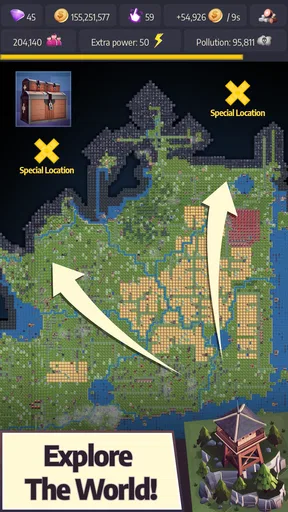
In Post Apo Tycoon - Idle Builder, the main objective is to rebuild and manage a thriving community in a post-apocalyptic world. Players must gather resources, construct buildings, and ensure the survival of their inhabitants while expanding their territory and fending off threats from the desolate environment.
How does the idle feature work in Post Apo Tycoon?
The idle feature allows players to continue earning resources and progress even when they are not actively playing the game. This mechanic lets you accumulate wealth, build structures, and develop your community over time, making it perfect for players who enjoy strategic planning without constant interaction.
Are there in-app purchases in Post Apo Tycoon - Idle Builder?
Yes, Post Apo Tycoon - Idle Builder offers in-app purchases. Players can buy various items, boosts, or resources to enhance gameplay and accelerate their progress. While the game is free to play, these purchases can provide a significant advantage, but they are entirely optional for players who prefer a more organic experience.
What are the unique features of Post Apo Tycoon compared to other idle games?
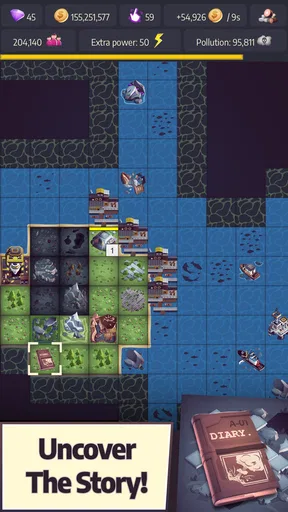
Post Apo Tycoon stands out with its captivating post-apocalyptic theme, offering a rich storyline and immersive world-building elements. The game combines strategy with idle mechanics, requiring players to make critical decisions for survival, which adds depth and complexity not always found in typical idle games.
Is Post Apo Tycoon suitable for all age groups?
Post Apo Tycoon - Idle Builder is generally suitable for teenagers and adults due to its strategic gameplay and post-apocalyptic themes. The game may contain elements that are not suitable for younger children, such as mild violence or dark themes, so parental guidance is recommended for younger players.
Play our best games!


